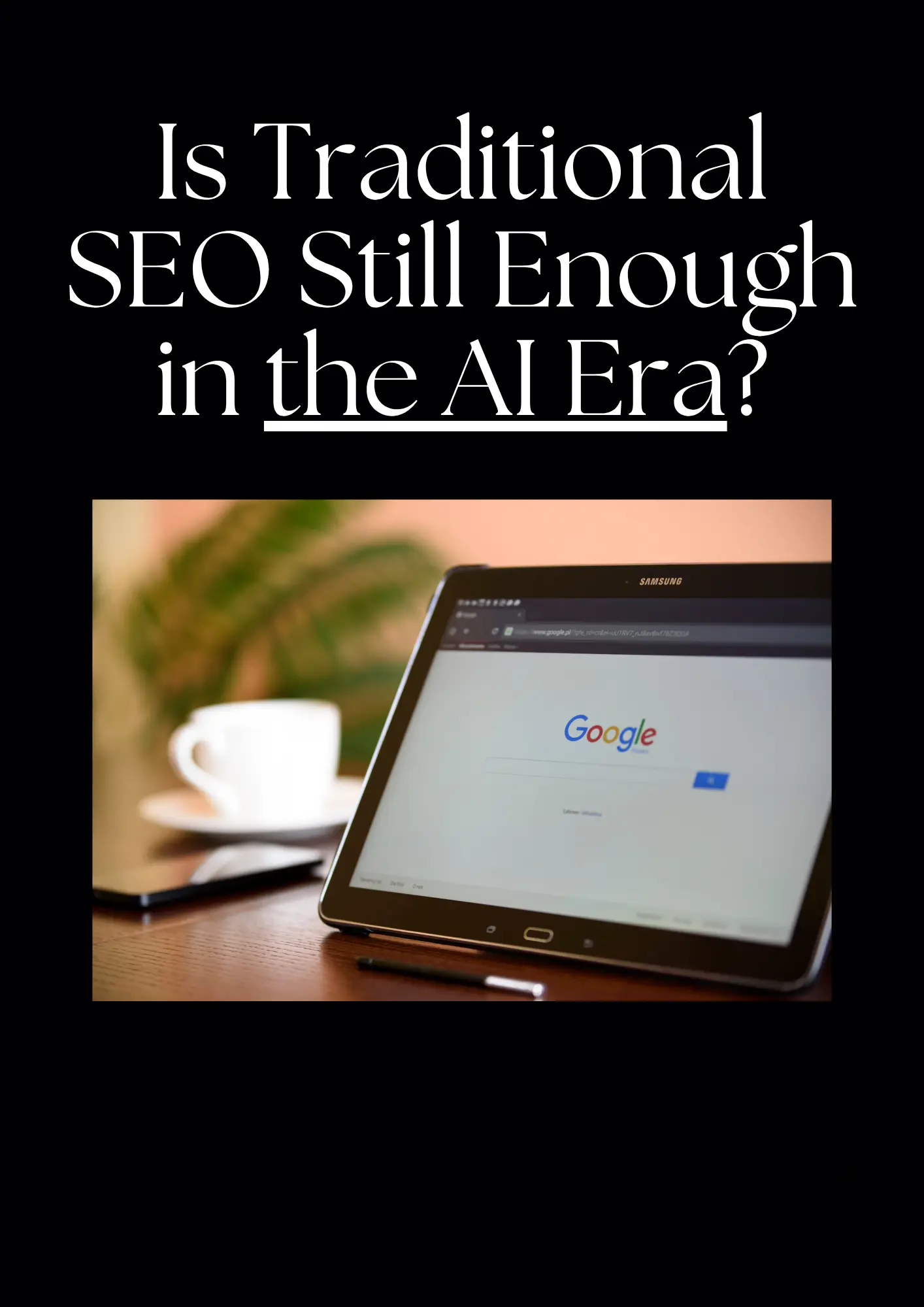
For two decades, SEO was simple: pick high-volume keywords, optimize title tags, build backlinks, and rank on page 1 of Google.
Today, AI search engines (ChatGPT, Perplexity, Claude, Google AI Overviews) don't deliver 10 blue links. They synthesize information and answer user questions directly, citing only 2 or 3 definitive sources.
If your website relies solely on traditional meta keywords, AI scrapers won't understand your entity. You need Generative Engine Optimization (GEO).
Key steps to make AI know and cite your business:
1. Implement machine-readable JSON-LD Schema graphs (Person, Organization, OfferCatalog, ItemList).
2. Create a clean /llms.txt plain-text endpoint that gives LLM crawlers an instant digest of who you are, what you do, and your service areas.
3. Structure your content around direct, authoritative answers rather than fluff.
SEO gets you clicks. GEO gets you recommended by AI as the industry standard.